
3D Printing or Tooling for Small Batches? Cost Structure and the Break-Even Point


Whether a small batch should be printed or moulded usually comes down to one costing exercise. The key is to separate what each side is actually paying for, then find where the two cost lines cross. This article covers the cost structure, what moves the break-even point, and how to make the call in practice.
1. What each side’s cost is made of
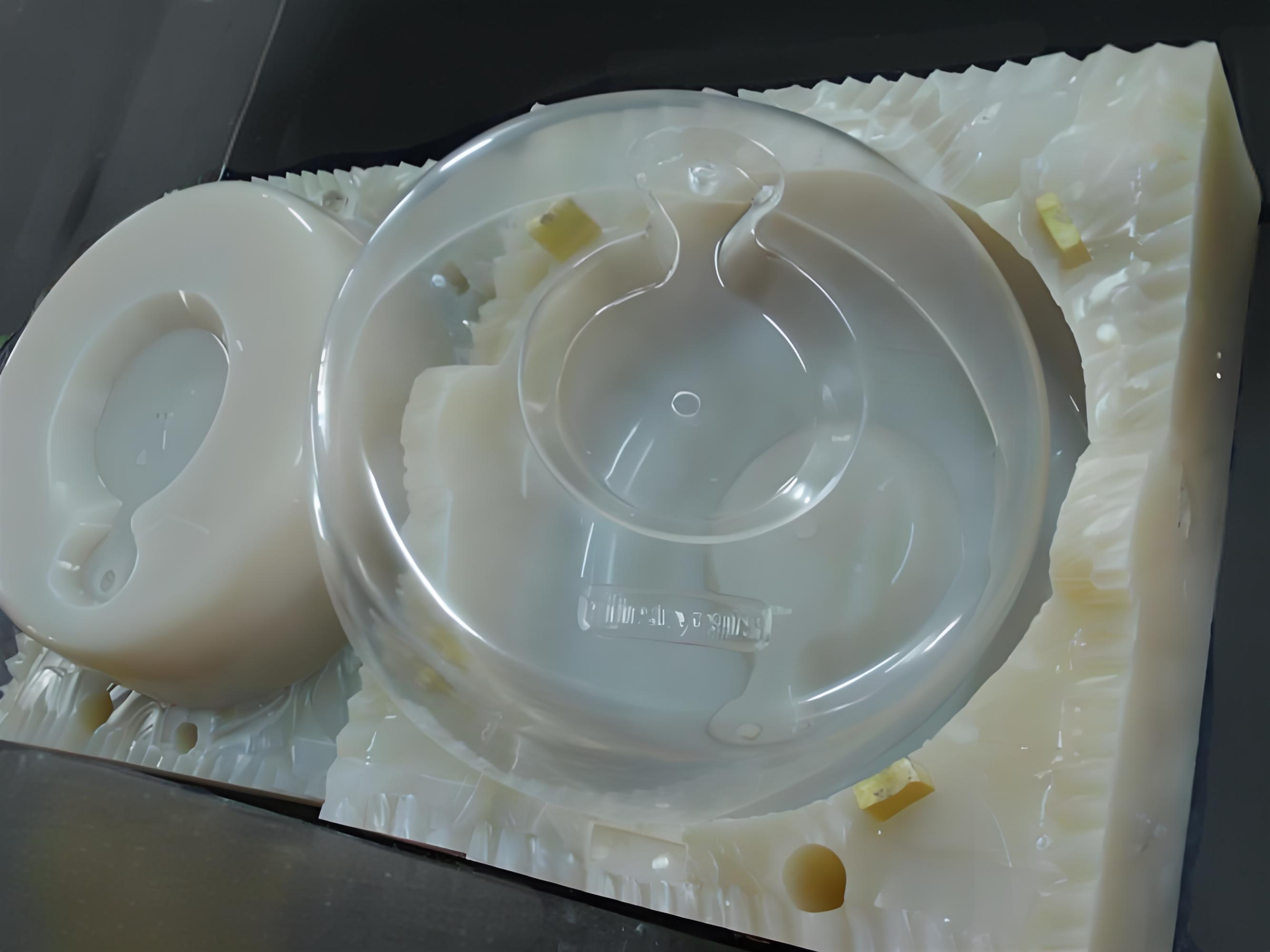
Injection moulding splits into two parts: a one-off tooling cost, and a per-part moulding cost afterwards. Tooling is the larger sum but is paid only once; the unit cost is low, and the more parts you run, the thinner the tooling is spread.
3D printing has no tooling cost, but every part consumes machine time and material, so the unit cost stays essentially flat — as quantity rises the total rises in proportion and the unit price does not come down.
The result is two cost lines: printing is cheaper at low quantities, moulding is cheaper at high quantities, and the point where they cross is the break-even.
2. Roughly where the break-even sits
There is no universal number. It follows the part’s size, structural complexity and appearance requirements. The more complex and the larger the part, the higher the tooling cost and the harder the moulding, so the break-even moves later; the reverse moves it earlier. A palm-sized, simple part might break even at a few hundred pieces; a complex, larger part might push it past a thousand.
So do not borrow someone else’s figure — run the numbers on your own part. The same “500 pieces” can sit inside the printing range for one component and past the moulding threshold for another.
3. Costs to separate before you calculate
- Tooling — counted for moulding, not for printing. This is the main source of the gap between the two lines.
- Unit cost — for moulding it follows material and cycle time; for printing, material volume and machine time.
- Finishing — both routes may need sanding, painting or screen printing; check whether it is inside the quote.
- Time — tooling runs to weeks, printing to days. Whether the project can wait is a cost in itself.
- Iteration cost — a design change may mean modifying the tool for moulding, while printing simply re-runs the file. Before the design is frozen, this often matters more than unit price.
4. A simplified way to estimate
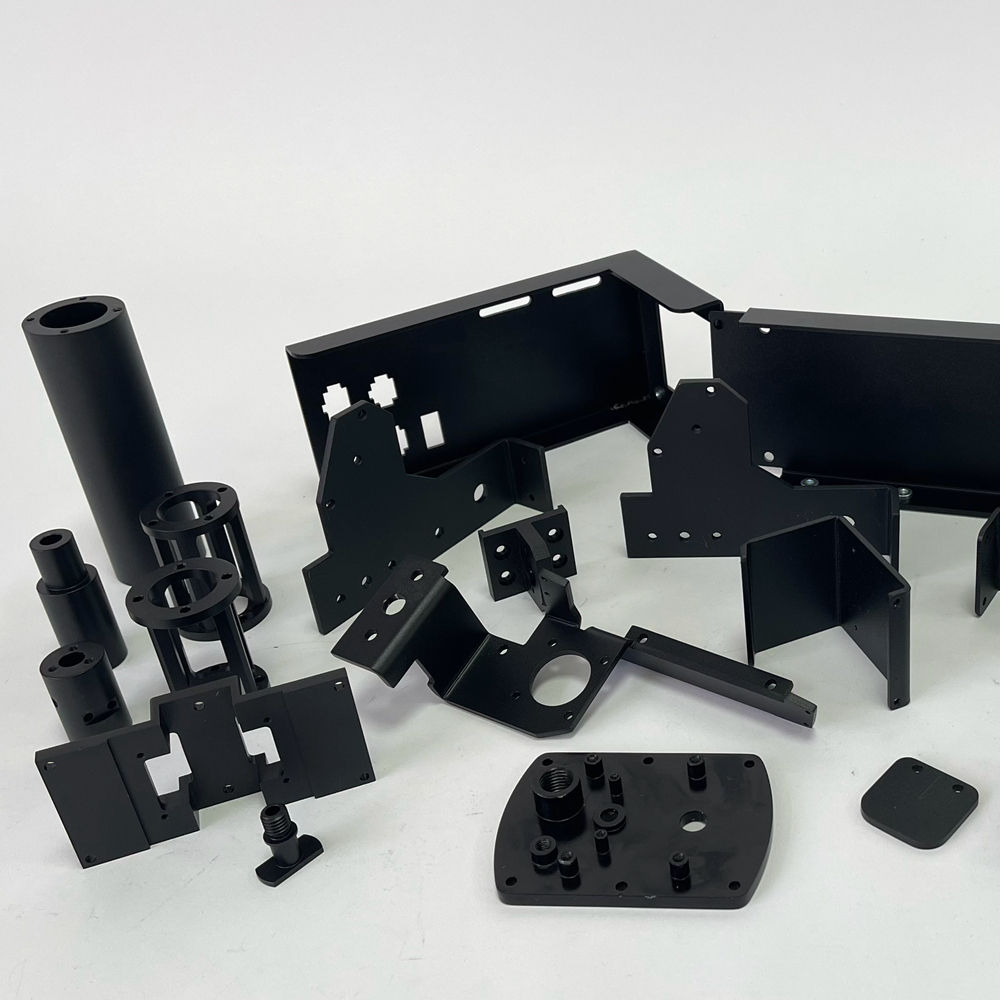
You do not need a complex formula. One line covers it: divide the tooling cost by the estimated quantity to get the tooling carried by each part, then compare that with the printed unit price.
- If tooling ÷ quantity is clearly above the printed unit price, printing is the better deal.
- If it is already below the printed unit price and the design is frozen, tooling is the better deal.
- If the two are close, look at whether the design may still change and how tight the schedule is — if nothing is frozen yet, bridge with printing.
Real quotations carry more variables, such as material grade, tolerance requirements and finishing method, so the final decision still comes from actual numbers on the actual part.
5. Primofort’s small-batch capability
Primofort takes on small-batch work across SLS / MJF powder-bed nylon, SLA, SLM metal, FDM and full-colour PolyJet, backed by CNC machining, silicone vacuum casting (suited to 10–50 pieces) and surface treatment. Standard prototypes take 1–2 days and small-to-mid batches 3–5 days. At the small-batch stage you can print first to validate structure and assembly, then decide whether to cut a tool — instead of sinking money into a mould at the outset.
6. A few practical judgements
- The design is still changing: print first, do not rush into tooling.
- Low quantity but good appearance needed: print plus finishing, or print a master pattern and go to silicone vacuum casting.
- Quantity clearly past the break-even and the design is settled: tooling works out cheaper.
- Testing the market and unsure whether it will sell: print a small batch first rather than committing to a mould.
Conclusion
If you are not sure, send the expected quantity, part size and drawing (STL, STEP or IGS are all fine) and Primofort can put the two routes side by side first, then advise. If you already have a moulding quotation, send that too and we can check the assumptions against each other.