
How to Tell a 3D Printing Factory from a Trading Company


Search online for a 3D printing supplier and every business card says “own factory”. Yet when delivery comes round, some cannot even say where the machines are. Judging whether you are dealing with a factory is possible with a few checks that need no site visit. Below we set out what to look at, how to verify it, and when each type suits.
1. The core judgement
The question is whether the machines and the processes are in the supplier’s own hands. In practice that comes down to three things you can verify: whether you can see the machines and the materials, whether the quote leaves room to pass the job on, and whether the supplier can lock the lead time itself. If any one of the three is vague, it is worth asking more questions.
2. Why it matters
- Lead time — a factory schedules its own production, while a trading company waits for someone else’s slot, which bites hardest on urgent orders.
- Quality — when something goes wrong, a factory can adjust on the spot; a trading company can only relay the message, and each round trip costs time.
- Price — an intermediary keeps a margin, so the same process usually comes out dearer.
- Responsibility — the confidentiality chain around drawings and tooling grows longer, and the more links it has, the harder it is to control.
- Consistency — where batch stability matters, a factory runs the same powder lot on the same line; passing work on makes that much harder to guarantee.
So it is not that trading companies are unusable — it is that you need to know who you are dealing with in order to judge whether the risk matches the price.
3. Five checks you can run without visiting
- First: ask for photos of the workshop and the equipment, and better still arrange a video call around the machines. Evasion is itself an answer.
- Second: ask about specific process parameters — powder grade, layer thickness range, finishing equipment. A trading company usually cannot answer in detail.
- Third: ask who actually makes a given batch, whether you can specify the process, and whether you can work directly with the person editing the file.
- Fourth: look at the quote structure — can they break down material, machine time and finishing separately?
- Fifth: check the contracting entity — do the equipment, premises, staff and the name on the contract match?
None of these requires a site visit, and after a couple of rounds of questions it is usually clear whether you are talking to an own production line or an order that will be forwarded.
4. When a factory or a trading company fits
Not every trading company is a problem. If they can coordinate several processes and take on a mixed requirement in one go, or if you simply want one point of contact rather than managing several suppliers, there is value in that. But if your part demands tight lead time, high quality and confidentiality, go to a supplier with its own line first.
- Go to the factory when: lead time is tight, quality requirements are high, confidentiality matters, or a specific process or material grade has to be honoured.
- A trading company can work when: requirements are scattered, several processes need bundling, you only want one point of contact, and lead time is not critical.
- Watch out when: the price sits well below the market and the equipment cannot be explained clearly — the risk usually lands on lead time and quality.
5. Primofort’s approach
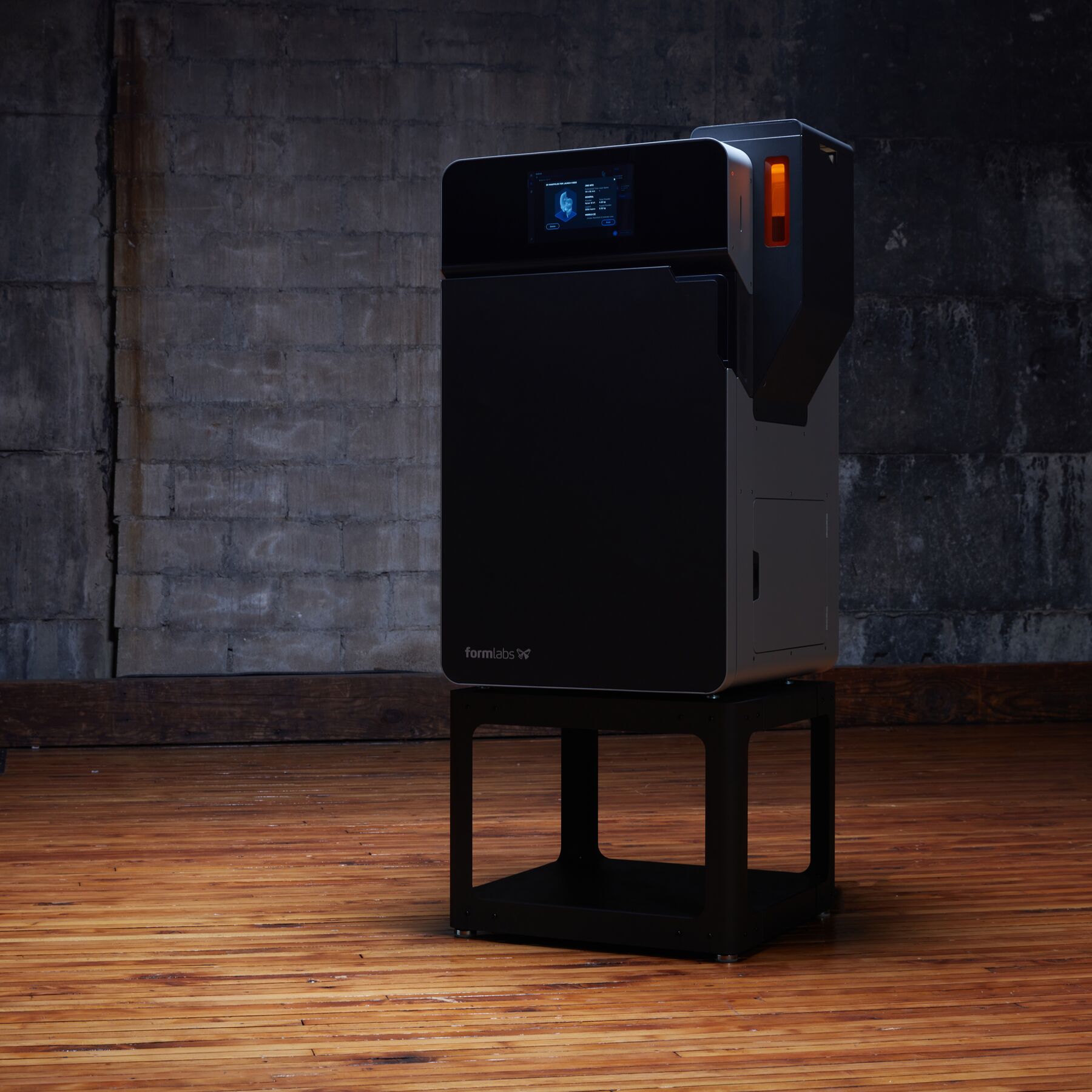
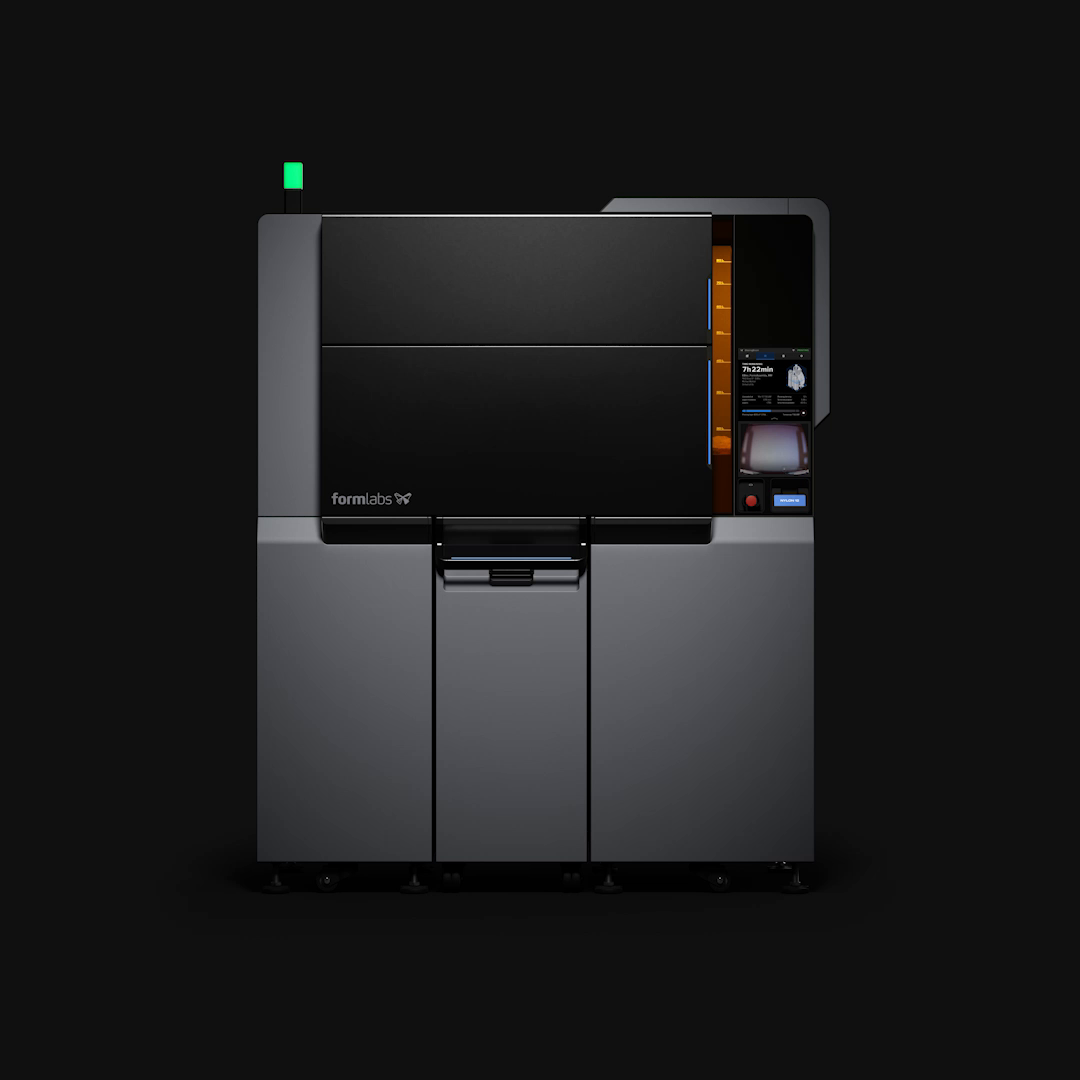
Primofort is based in Dongcheng, Dongguan, with an in-house powder-bed line: SLS on a Formlabs Fuse 1+ and MJF on an HP Jet Fusion, alongside SLA, SLM metal, FDM and full-colour PolyJet, plus CNC machining, silicone vacuum casting and surface treatment. Customers in the Pearl River Delta are welcome to visit and see the machines, and drawings are accepted from anywhere in China; someone is available Monday to Saturday, 09:30–19:00. From the same drawing, the process route is confirmed against the customer’s requirements, budget and service environment rather than pushed one way by default.
Conclusion
The most direct way to verify a supplier’s capability is to visit and look at the machines. If a visit is not convenient, send the drawing (STL, STEP or IGS are all fine) together with the quantity and we will come back with a process proposal first — the detail in the reply also tells you something about the supplier’s real level. If you have a process or material grade in mind, simply say so.